Boeing Bleeds Another $280 Million on Air Force One Fiasco as Total Losses Eclipse $3 Billion
Boeing just torched another $280 million of shareholder money on the increasingly disastrous Air Force One replacement program, pushing total cost overruns past the staggering $3 billion mark in what has become a textbook case of corporate mismanagement and broken promises to the American people.
The defense giant’s latest quarterly bloodletting reveals a company drowning in its own incompetence, unable to deliver on a contract that should have been a crown jewel project but instead transformed into an albatross that won’t stop dragging the company—and taxpayers’ confidence—through the mud.
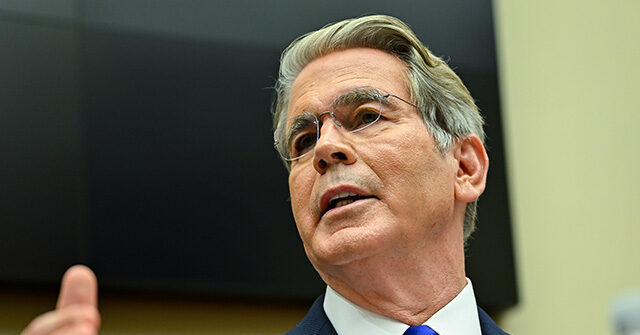
Boeing CEO Kelly Ortberg tried to sugarcoat the disaster during Tuesday’s earnings call, claiming the company is “investing accordingly” to meet delivery commitments. But let’s be crystal clear: this is damage control, not leadership.
The harsh reality? Boeing promised the first replacement aircraft by December 2024. Instead, the company is running nearly three years behind schedule, with delivery now pushed to mid-2028 for the first plane and mid-2029 for the second.
This isn’t just disappointing. It’s unacceptable.
A Deal That Protected Taxpayers—If Boeing Could Deliver
President Trump negotiated a fixed-price $3.9 billion contract in 2018 that brilliantly shielded taxpayers from exactly this kind of corporate failure. Under those terms, Boeing eats every penny of cost overruns—and they’re choking on it.
The company already reported $2.8 billion in losses by 2024. This latest $280 million hit brings the total hemorrhaging past $3 billion, with no end in sight.
Ortberg claims Boeing is adding “significant resources to support the build and test schedule” to “mitigate potential risk during certification and flight test.” Translation: they’re throwing good money after bad because they underestimated the complexity and can’t execute on schedule.
Ancient Aircraft and National Security Concerns
America’s commander-in-chief is currently flying in Boeing 747-200 jumbo jets that entered service in the 1990s. These aircraft are technological dinosaurs in an era when our adversaries have cutting-edge capabilities.
The stopgap solution? President Trump has utilized a $400 million luxury aircraft donated by Qatar—a flying palace that recently went offline for critical anti-missile defense upgrades. That’s right: we’re relying on foreign generosity while Boeing fumbles a multi-billion-dollar contract.
Air Force One requirements aren’t ordinary. These aircraft demand state-of-the-art communications systems, advanced defensive capabilities, and technologies that keep the president safe and connected during any crisis. The complexity is real, but Boeing knew exactly what it was signing up for.
Government Watchdogs Sound the Alarm
The Government Accountability Office released a damning report earlier this month confirming Boeing is “almost 3 years behind its current baseline schedule.” Federal watchdogs don’t mince words when a defense contractor this badly misses the mark.
Boeing’s continued delays raise serious questions about the company’s ability to manage complex military programs. This isn’t an isolated incident—it’s part of a pattern of quality control failures, manufacturing problems, and broken delivery promises that have plagued Boeing across multiple programs.
The Bottom Line
Boeing committed to a fixed-price contract and is now paying the price for overpromising and underdelivering. That’s how capitalism should work—companies bear the consequences of their failures.
But here’s what should concern every American: our national security depends on having the most advanced, secure presidential aircraft in the world. Every day these delays continue is another day our president flies in outdated equipment or borrowed planes.
Boeing needs to stop making excuses and start delivering results. The American people deserve better. Our president deserves better. And Boeing’s shareholders certainly deserve better than watching another $280 million vanish into this money pit.
President Trump has rightfully complained about Boeing’s failures on this project. His frustration reflects what every taxpayer should feel watching a once-great American company stumble through a contract it promised to execute flawlessly.
The clock is ticking. Boeing has until mid-2028 to deliver the first aircraft. Based on their track record, smart money says they’ll miss that deadline too—and rack up even more losses in the process.